



Textbook Spanish gets you to the taco stand. Then the guy behind you says ¿qué pedo, güey? to his friend, the taquero answers ahorita, and nobody in the line is speaking anything a classroom taught you. This page is the other half: 179 words Mexicans use with each other, the polite ones and the ones that get you thrown out of a bar, each with a rating so you know which is which.
Every Mexican slang word on this page
179 words, from harmless to very rude
| Word | What it means | How it sounds in a sentence | |
|---|---|---|---|
| güeyalso wey, guey, weFriends only | Dude, mate. Also a filler at the end of sentences, and an insult (idiot) in the wrong tone. | ¿Qué onda, güey? ¿Ya viste el partido?What's up, dude? Did you see the game? | Friends only |
| óralealso oraleFine anywhere | Let's go, okay, wow, or hey, cut it out. Tone decides. | ¿Unos tacos? ¡Órale!Tacos? You're on! | Fine anywhere |
| ándalealso andaleFine anywhere | Come on, hurry up; also that's right. | ¡Ándale, ya vámonos!Come on, let's go! | Fine anywhere |
| ahoritaalso orita, ahorititaFine anywhere | Right now, in a bit, later today, or never. | Ahorita te lo traigo.I'll bring it right away (maybe). | Fine anywhere |
| no manchesFine anywhere | No way! The clean cousin of no mames. | ¡No manches! ¿Ya es diciembre?No way, it's December already? | Fine anywhere |
| no mamesalso no mamenRude | No way, you're kidding, stop messing with me. | ¡No mames, ganamos!No way, we won! | Rude |
| chidoalso chidaFine anywhere | Cool, great. | Qué chido está tu depa.Your place is so cool. | Fine anywhere |
| padrealso padrísimo, bien padreFine anywhere | Great, awesome. The clean mirror of madre. | Estuvo padrísimo el concierto.The concert was awesome. | Fine anywhere |
| a todo darFine anywhere | Great. Sounds a bit older now. | La fiesta estuvo a todo dar.The party was great. | Fine anywhere |
| netaalso la netaFine anywhere | The truth. ¿Neta? means for real? | ¿Neta te corrieron?They really fired you? | Fine anywhere |
| la neta del planetaFine anywhere | The absolute truth, said with a grin. | Ese lugar está increíble, la neta del planeta.That place is amazing, I swear. | Fine anywhere |
| qué ondaFine anywhere | What's up? How's it going? | ¿Qué onda? ¿Cómo vas?What's up? How's it going? | Fine anywhere |
| qué pedoalso q pdoRude | What's up (between friends) or what's your problem (to anyone else). | ¿Qué pedo, carnal? Hace mil que no te veía.What's up, bro? Haven't seen you in ages. | Rude |
| quihúbolealso quiubo, qué huboFine anywhere | Hey there, what's up? | ¡Quihúbole! ¿Cómo estás?Hey there! How are you? | Fine anywhere |
| simónalso simonFine anywhere | Yeah, sure. | ¿Vienes? Simón, ahí te veo.Coming? Yep, see you there. | Fine anywhere |
| nelFriends only | Nope. A firm, playful no. | ¿Me prestas el coche? Nel.Lend me your car? Nope. | Friends only |
| saleFine anywhere | Okay, deal. | Nos vemos a las ocho, ¿sale?See you at eight, deal? | Fine anywhere |
| aguasFine anywhere | Watch out! | ¡Aguas, que viene el camión!Careful, the bus is coming! | Fine anywhere |
| mandeFine anywhere | Pardon? Or yes? when someone calls your name. | ¡Raúl! ¡Mande!Raúl! Yes? | Fine anywhere |
| ¿bueno?Fine anywhere | Hello? How Mexicans answer the phone. | ¿Bueno? ¿Quién habla?Hello? Who's this? | Fine anywhere |
| híjoleFine anywhere | Wow, oh dear, yikes. | ¡Híjole! ¿Tanto cuesta?Yikes, it costs that much? | Fine anywhere |
| chaleFine anywhere | Aw man, damn. (A second chale is a slur, see below.) | ¡Chale! Se acabó la cerveza.Aw man, we're out of beer. | Fine anywhere |
| ponte truchaalso ponte buzoFine anywhere | Stay sharp, wake up. | Ponte buzo, que aquí te chamaquean.Stay sharp, they'll fool you here. | Fine anywhere |
| broncaFriends only | A problem, or a fight. | Me metí en una bronca con mi casero.I got into a mess with my landlord. | Friends only |
| desmadreFriends only | Chaos, a mess. Echar desmadre is to party hard. | La fiesta se volvió un desmadre.The party turned into chaos. | Friends only |
| chafaFriends only | Cheap, lame, badly made. | Qué chafa que no vengas.Bummer that you're not coming. | Friends only |
| gachoFriends only | Ugly, mean, rotten. | Qué gacho lo que te hicieron.That's rotten, what they did to you. | Friends only |
| cañónalso está cañónFine anywhere | Hard, intense, rough. | El examen estuvo cañón.The exam was brutal. | Fine anywhere |
| qué huevaalso hueva, de huevaFriends only | What a drag. Me da hueva is I can't be bothered. | Qué hueva levantarme tan temprano.Getting up this early is such a drag. | Friends only |
| cotorrearalso cotorreoFine anywhere | To hang out, chat and joke around. | Nos quedamos cotorreando toda la tarde.We spent all afternoon hanging out. | Fine anywhere |
| ¿jalas?also jalarFine anywhere | Are you in? Jalar is also to work, for machines. | ¿Jalas al cine? Mi refri ya no jala.Up for the movies? My fridge has died. | Fine anywhere |
| aventónFine anywhere | A lift, a free ride. | ¿Me das un aventón al centro?Can you give me a lift downtown? | Fine anywhere |
| buena ondaalso mala ondaFine anywhere | Nice, easygoing. Mala onda is a jerk move. | Tu hermana es muy buena onda.Your sister is really nice. | Fine anywhere |
| sacar de ondaFine anywhere | To throw someone off. | Me sacó de onda su mensaje.His message threw me off. | Fine anywhere |
| me cae gordoFriends only | I can't stand him or her. | Ese tipo me cae gordo.I can't stand that guy. | Friends only |
| qué osoalso hacer el osoFine anywhere | How embarrassing. | ¡Qué oso! Se me cayó el pastel.How embarrassing, I dropped the cake. | Fine anywhere |
| andar de malasFine anywhere | To be in a bad mood, or on a bad streak. | No le hables, anda de malas.Don't talk to him, he's in a mood. | Fine anywhere |
| carnalalso carnalaFine anywhere | Brother, your closest friend. | Ahí viene mi carnal.Here comes my bro. | Fine anywhere |
| compaFine anywhere | Buddy, pal. | ¿Qué hubo, compa?What's up, buddy? | Fine anywhere |
| cuatealso cuataFine anywhere | Friend, buddy, or just a guy. From Nahuatl for twin. | Mi cuate Javier ya viene.My buddy Javier is on his way. | Fine anywhere |
| compadrealso comadreFine anywhere | Close friend, often a godparent to your kids. Warm, a bit old school. | Dígame, compadre.Go ahead, my friend. | Fine anywhere |
| valedorFine anywhere | The friend who has your back. | ¡Quihúbole, mi valedor!Hey there, my man! | Fine anywhere |
| vatoalso batoFriends only | Guy, dude. North and Chicano. | Ese vato me cae bien.I like that guy. | Friends only |
| manoalso manitoFine anywhere | Bro, from hermano. | Mira, manito, yo lo hago.Look, bro, I'll do it. | Fine anywhere |
| ñeroFriends only | Pal in the barrio; also a put-down for a rough, low-class person. | ¿Qué pasó, ñero?What's up, pal? | Friends only |
| homiealso broFine anywhere | Friend. English imports, young and border. | Es mi homie.He's my homie. | Fine anywhere |
| güeroalso güeraFine anywhere | Fair-haired or fair-skinned. Market sellers call everyone güero to get your attention. | Pásele, güero, ¿qué le damos?Come in, my friend, what can I get you? | Fine anywhere |
| gringoalso gringaFriends only | American, or any fair foreigner. Usually just a label. | Vienen muchos gringos en diciembre.Lots of gringos come in December. | Friends only |
| gabachoFriends only | An American. El gabacho is the US itself. | Mi primo se fue al gabacho.My cousin went to the States. | Friends only |
| bolilloFriends only | A white American (and the bread roll). Border slang. | Pensé que eras bolillo.I thought you were a gringo. | Friends only |
| choloalso cholaFriends only | Barrio style: baggy clothes, Chicano gang look. Can be a put-down. | Los cholos pasaron con la música a todo volumen.The cholos drove by blasting music. | Friends only |
| buchónalso buchonaFriends only | Flashy narco style. Buchona is the glam look that goes with it. | Llegó toda buchona.She showed up in full narco glam. | Friends only |
| chavoalso chavaFine anywhere | Kid, young guy. Also boyfriend or girlfriend. | Te presento a mi chava.Meet my girlfriend. | Fine anywhere |
| morroalso morraFine anywhere | Kid, young person. In the north, morra is also girlfriend. | Ya llegaron los morros.The kids are here. | Fine anywhere |
| jainaFriends only | Girlfriend. Chicano slang, rare inside Mexico. | Está con su jaina.He's with his girl. | Friends only |
| chamacoalso chamacaFine anywhere | Kid. | Mariana tiene dos chamacos.Mariana has two kids. | Fine anywhere |
| escuinclealso escuintleFriends only | Kid, brat. | Ese escuincle no deja de gritar.That brat won't stop yelling. | Friends only |
| rucoalso rucaFriends only | Old person. Ruca is also girlfriend in Chicano slang. | Mi maestro está bien ruco.My teacher is really old. | Friends only |
| fresaFriends only | Posh, preppy, a bit stuck-up. | Es bien fresa, no come en la calle.He's so posh, he won't eat street food. | Friends only |
| mirreyFriends only | Spoiled rich kid who wants you to know it. | Llegó el mirrey en su camioneta.The rich kid rolled up in his SUV. | Friends only |
| godínalso godínezFine anywhere | Office worker, nine to five. | Soy godín de lunes a viernes.I'm an office drone Monday to Friday. | Fine anywhere |
| chilangoalso chilangaFine anywhere | Someone from Mexico City. | Hay muchos chilangos en la playa.There are lots of Mexico City people at the beach. | Fine anywhere |
| jovenFine anywhere | Young man. How you call a waiter, at any age. | Joven, ¿nos trae la cuenta?Excuse me, could we get the bill? | Fine anywhere |
| jefealso jefa, mis jefesFine anywhere | Dad, mom, my parents. Also a polite way to address a stranger. | Mis jefes son buena onda.My folks are cool. | Fine anywhere |
| pochoalso pochaFriends only | A Mexican-American who mixes English into Spanish, or the Spanglish itself. | Habla bien pocho.He speaks total Spanglish. | Friends only |
| chelaFine anywhere | Beer. | ¿Nos echamos unas chelas?Want to grab a few beers? | Fine anywhere |
| cheveFine anywhere | Beer, the northern word. | ¿Quién invita las cheves?Who's buying the beers? | Fine anywhere |
| caguamaFine anywhere | A litre bottle of beer. | Compramos dos caguamas.We bought two big bottles. | Fine anywhere |
| pedaFriends only | A drinking session, a binge. | Nos pusimos una peda el sábado.We got wasted on Saturday. | Friends only |
| pistearalso pistoFriends only | To drink. Pisto is the booze. | Vamos a pistear.Let's go drinking. | Friends only |
| crudaalso crudoFine anywhere | Hangover. Estar crudo is to be hungover. | Ando bien crudo, no hables fuerte.I'm so hungover, don't talk loud. | Fine anywhere |
| botanaFine anywhere | Snacks with drinks. | Tú trae el vino, yo la botana.You bring the wine, I'll bring snacks. | Fine anywhere |
| pachangaFine anywhere | A lively party. | Qué pachanga se armó.What a party that turned into. | Fine anywhere |
| reventónFine anywhere | A big night out. | Vámonos de reventón.Let's go out partying. | Fine anywhere |
| la del estriboFine anywhere | One for the road. | Una más, la del estribo.One more, for the road. | Fine anywhere |
| antojitosFine anywhere | Street snacks: tacos, sopes, quesadillas. | Cenamos antojitos en la plaza.We had street snacks for dinner in the square. | Fine anywhere |
| lanaFine anywhere | Money. | No traigo lana.I've got no cash on me. | Fine anywhere |
| feriaFine anywhere | Change, money. | ¿Tienes feria para el camión?Got change for the bus? | Fine anywhere |
| varoalso baroFine anywhere | A peso; money in general. | Esto cuesta un varo.This costs a fortune. | Fine anywhere |
| chambaalso chambearFine anywhere | Job, gig. Chambear is to work. | Ando buscando chamba.I'm looking for work. | Fine anywhere |
| andar brujaFine anywhere | To be broke. | Ando bien bruja este mes.I'm totally broke this month. | Fine anywhere |
| mordidaFriends only | A bribe. | El policía quería mordida.The cop wanted a bribe. | Friends only |
| la tiraFriends only | The cops. | ¡Aguas, ahí viene la tira!Watch out, cops! | Friends only |
| la chotaFriends only | The cops. | Llegó la chota.The cops showed up. | Friends only |
| qué transaFine anywhere | What's up? (Mexico City) | ¡Qué transa! Hace mil que no te veía.What's up! Haven't seen you in ages. | Fine anywhere |
| cámaraFine anywhere | Bye, see you. (Mexico City) | Cámara, nos vemos.Later, see you. | Fine anywhere |
| chamaquearFine anywhere | To trick someone naive. | Me chamaquearon con el precio.They took me for a ride on the price. | Fine anywhere |
| chilangadaFriends only | A typically pushy Mexico City move, said by everyone else. | Eso fue una chilangada.That was such a Mexico City move. | Friends only |
| chiloFine anywhere | Cool. Sonora and Sinaloa's chido. | Estuvo bien chilo.It was really cool. | Fine anywhere |
| sarraFine anywhere | Lame, the opposite of chilo. (Sonora) | Estuvo bien sarra el concierto.The concert was really lame. | Fine anywhere |
| plebealso plebesFine anywhere | Kids, or the guys. (Sinaloa, Sonora) | Ya salieron los plebes.The kids are out. | Fine anywhere |
| buquialso bukiFine anywhere | Kid. (Sonora) | Los buquis se fueron al río.The kids went to the river. | Fine anywhere |
| bichiFriends only | Naked. (Sonora, Chihuahua) | Salió bichi al patio.He went out into the yard naked. | Friends only |
| arreFine anywhere | Let's do it, sure. (North and Guadalajara) | ¿Vamos? Arre.Shall we go? Let's do it. | Fine anywhere |
| huercoFine anywhere | Kid. (Monterrey) | Los huercos ya se durmieron.The kids are asleep. | Fine anywhere |
| ocupoFine anywhere | I need. Guadalajara's way of saying necesito. | Ocupo cien lonches para la fiesta.I need a hundred sandwiches for the party. | Fine anywhere |
| biroteFine anywhere | The crusty roll in a torta ahogada. (Guadalajara) | Un birote salado, por favor.A crusty roll, please. | Fine anywhere |
| iraFine anywhere | Look! Short for mira. (Guadalajara) | Ira nomás qué bonito.Just look how pretty. | Fine anywhere |
| la hachFine anywhere | The last drink. (Yucatán, from Maya) | Tráeme la hach.Bring me the last one. | Fine anywhere |
| huachFriends only | An outsider, someone not from Yucatán. (from Maya) | Es huach, pero ya aprendió.He's not from here, but he's learned. | Friends only |
| eseFriends only | Man, dude. Chicano and border. | ¿Qué onda, ese?What's up, man? | Friends only |
| trocaFine anywhere | Pickup truck, from English. | Compró una troca nueva.He bought a new truck. | Fine anywhere |
| loncheFine anywhere | Lunch, or a sandwich in the north and west. | Me llevo mi lonche.I'm bringing my lunch. | Fine anywhere |
| amixalso amikesFine anywhere | Friends, gender neutral. | Amikes, vámonos.Friends, let's go. | Fine anywhere |
| es de chillFine anywhere | Relax, it's nothing. | Es de chill, no pasa nada.Chill, it's fine. | Fine anywhere |
| y la quesoFine anywhere | And that's that. End of sentence defiance. | Así soy y la queso.That's how I am, deal with it. | Fine anywhere |
| mejor nadotaFine anywhere | Thanks for nothing, after a let-down. | ¿Eso es todo? Mejor nadota.That's it? Thanks for nothing. | Fine anywhere |
| migajeroalso migajeraFriends only | Someone who settles for crumbs of attention. | No seas migajera.Don't settle for scraps. | Friends only |
| chapulinearFriends only | To date a friend's ex, fast. | Se puso a chapulinear con el ex de su amiga.She went straight for her friend's ex. | Friends only |
| atacarseFine anywhere | To overreact. | No te ataques, es broma.Don't freak out, it's a joke. | Fine anywhere |
| señoroFriends only | A condescending, sexist man. | Qué señoro tu tío.Your uncle is such a dinosaur. | Friends only |
| pincheFriends only | Damn, crappy, fucking, in front of a noun. Also an innocent kitchen helper. | Ya me cansé de este pinche tráfico.I'm sick of this fucking traffic. | Friends only |
| cabrónalso cabronaRude | Buddy, badass, or asshole. The widest-range word in Mexico. | ¡Qué gusto verte, cabrón!Great to see you, man! | Rude |
| pendejoalso pendejaRude | Idiot, dumbass. A joke between friends, an insult to anyone else. | No seas pendejo, cierra la puerta.Don't be an idiot, shut the door. | Rude |
| hacerse pendejoRude | To play dumb. | No te hagas pendejo, tú sabes quién fue.Don't play dumb, you know who did it. | Rude |
| chingarRude | To screw with, to annoy, to ruin. The root of a hundred words. | Deja de chingar, ya te dije que no.Stop bugging me, I said no. | Rude |
| no chinguesalso no me chinguesRude | No way! Don't mess with me. A notch above no mames. | ¡No chingues, otra vez subió la gasolina!No way, gas went up again! | Rude |
| chingónalso chingonaFriends only | Badass, excellent. | Mi tía es bien chingona para los negocios.My aunt is a badass at business. | Friends only |
| un chingoFriends only | A shitload, a ton. | Había un chingo de gente en el Zócalo.There were a ton of people in the Zócalo. | Friends only |
| en chingaFriends only | In a rush. | Ando en chinga, luego te llamo.I'm slammed, I'll call you later. | Friends only |
| chingaderaRude | A dirty trick, or a piece of junk. | ¿Qué es esa chingadera?What the hell is that thing? | Rude |
| ¿qué chingados?Rude | What the fuck? | ¿Qué chingados hace ese coche ahí?What the fuck is that car doing there? | Rude |
| a la chingadaalso irse a la chingadaRude | To hell. Ruined. | Con la lluvia se fue a la chingada el paseo.The rain wrecked the trip. | Rude |
| me lleva la chingadaRude | Fuck, I'm screwed. Mostly said to yourself. | ¡Me lleva la chingada, perdí el último camión!Fuck, I missed the last bus! | Rude |
| vete a la chingadaVery rude | Fuck off. | ¡Vete a la chingada y no me llames!Fuck off and don't call me! | Very rude |
| chinga tu madrealso chingue su madreVery rude | Fuck your mother. The mentada, the heaviest thing you can say. | Very rude | |
| a toda madreFriends only | Awesome. | Estuvo a toda madre el concierto.The concert was fucking great. | Friends only |
| me vale madreRude | I don't give a damn. | Me vale madre lo que digan.I don't give a damn what they say. | Rude |
| ni madresRude | Hell no. | ¿Que te preste el coche? Ni madres.Lend you my car? Hell no. | Rude |
| qué poca madreRude | How shameless, what a disgrace. | ¡Qué poca madre, nos cobraron el agua!Unbelievable, they charged us for the water! | Rude |
| madrazoFriends only | A hard hit. | Se dio un madrazo con la puerta.He smacked into the door hard. | Friends only |
| partir la madreVery rude | To beat someone up. | Dice que te va a partir la madre.He says he's going to kick your ass. | Very rude |
| a la vergaRude | Holy shit, or get the fuck out, or screw it. | ¡A la verga, qué carro traes!Holy shit, what a car! | Rude |
| me vale vergaRude | I don't give a fuck. A step past me vale madre. | Me vale verga lo que piensen.I don't give a fuck what they think. | Rude |
| de la vergaRude | Awful. | La comida estuvo de la verga.The food was shit. | Rude |
| no hay pedoFriends only | No problem. | No hay pedo, yo te paso la tarea.No problem, I'll send you the homework. | Friends only |
| ni pedoFriends only | Oh well, nothing to be done. | Perdimos el vuelo, ni pedo.We missed the flight, oh well. | Friends only |
| ni de pedoFriends only | No way. Not even drunk. | ¿Cantar frente a todos? Ni de pedo.Sing in front of everyone? No way. | Friends only |
| estar pedoalso andar pedoFriends only | To be drunk. | Ya andas bien pedo.You're already wasted. | Friends only |
| bájale a tu pedoRude | Calm the hell down. | Bájale a tu pedo, nadie te está gritando.Calm down, nobody's yelling at you. | Rude |
| a huevoFriends only | Hell yes, obviously. | ¿Vas a ir? ¡A huevo!You going? Hell yes! | Friends only |
| huevónalso huevonaRude | Lazy bum. | No seas huevón, ayuda con los trastes.Don't be a lazy ass, help with the dishes. | Rude |
| echarle huevosRude | To give it everything, to have balls. | Échale huevos, tú puedes.Give it everything, you've got this. | Rude |
| mamónalso mamonaRude | Stuck-up show-off. (Also an innocent sponge cake.) | No seas mamón, no es para tanto.Don't be a show-off, it's not a big deal. | Rude |
| qué mamadaRude | What bullshit. | Esa excusa es una mamada.That excuse is bullshit. | Rude |
| mamadoFriends only | Ripped, jacked. | Ese cuate está bien mamado.That guy is jacked. | Friends only |
| culeroalso culeraRude | Asshole, coward. Also a shitty thing to do. | Fue muy culero dejarla sola.It was really shitty to leave her alone. | Rude |
| ojeteRude | Asshole, a mean, two-faced person. | Qué ojete eres.You're such an asshole. | Rude |
| me cagaRude | It pisses me off. | Me caga que lleguen tarde.It pisses me off when they're late. | Rude |
| puta madreRude | Fuck! Surprise or pain. | ¡Puta madre, qué susto!Fuck, you scared me! | Rude |
| mensoalso mensaFine anywhere | Dummy. Soft enough for parents. | ¡No seas menso!Don't be silly! | Fine anywhere |
| babosoalso babosaFriends only | Fool, drooling idiot. | A mí ningún baboso me da órdenes.No fool gives me orders. | Friends only |
| taradoalso taradaFriends only | Moron. | ¿En qué pensabas, tarado?What were you thinking, moron? | Friends only |
| lambiscónFriends only | Brown-noser. | Es bien lambiscón con el jefe.He's a total suck-up to the boss. | Friends only |
| desgraciadoRude | Bastard, wretch. Telenovela favourite. | ¡Desgraciado, me dejó en la calle!That bastard left me on the street! | Rude |
| hijo de la chingadaVery rude | Son of a bitch, Mexican style, and heavier. | ¡Hijo de la chingada, me rayó el coche!Son of a bitch scratched my car! | Very rude |
| hijo de putaVery rude | Son of a whore. | Very rude | |
| putoVery rudeSlur | Homophobic slur, also used for coward. The word in the stadium chant. | Very rudeSlur | |
| jotoVery rudeSlur | Homophobic slur. | Very rudeSlur | |
| maricónVery rudeSlur | Homophobic slur. | Very rudeSlur | |
| puñalVery rudeSlur | Homophobic slur (literally a dagger). | Very rudeSlur | |
| nacoalso nacaRudeSlur | Tacky, low class. A class slur with an Indigenous root. | Qué blusa tan naca.What a tacky blouse. | RudeSlur |
| indioVery rudeSlur | Used to call someone ignorant. Racist. | Very rudeSlur | |
| prietoalso prieta, prietitaFriends only | Dark-skinned. Loving from grandma, racist from a stranger. | Mi abuela me decía mi prietita.My grandma called me her little dark one. | Friends only |
| gatoalso gata, chachaRudeSlur | Servant, maid. Classist. | RudeSlur | |
| peladoRudeSlur | Uncouth, low-class person. Classist, old school. | RudeSlur | |
| chale (noun)RudeSlur | Slur for a Chinese person. Not the harmless ¡chale! | RudeSlur | |
| putaVery rudeSlur | Whore. Aimed at a woman it is a fight. | Very rudeSlur | |
| zorraalso perraVery rudeSlur | Slut, bitch. | Very rudeSlur | |
| cogerVery rude | To fuck. In Spain it means to take or catch. Not in Mexico. | Voy a tomar el camión.I'm going to take the bus (say tomar, not coger). | Very rude |
| vergaRude | Dick. Also a sail yard on a boat, which helps nobody. | Rude | |
| panochaRude | Pussy. Also a cone of brown sugar at the market. | Rude | |
| chichisFriends only | Tits. | Friends only | |
| pitoFriends only | Dick (also a whistle). Me importa un pito is I don't give a damn. | Me importa un pito.I couldn't care less. | Friends only |
| culoRude | Ass. Also fear: me dio culo is I got scared. | Me dio culo manejar de noche.I was scared to drive at night. | Rude |
| nalgasFine anywhere | Butt. Barely rude. | Fine anywhere | |
| mamacitaRude | Hot mama. A catcall, not a compliment. | Rude | |
| ¿te gusta el chile?Rude | Do you like chili? The oldest albur trap for foreigners. | Rude | |
| dame la horaFriends only | Give me the time. Heard as dámela ahora, give it to me now. | Friends only |
78 of the 179 are fine anywhere. 13 are very rude. The rest live in the middle, which is where Mexican slang gets fun, and where most visitors get it wrong.
The Mexican slang you will hear in your first week
If you only learn ten words, learn these. They come up in taxis, markets, on the phone and in every group of friends, and none of them is in the dialogue at the back of a beginner's book.
Güey (wey): the word that is everywhere
Güey means dude. It also means nothing at all: young Mexicans drop it at the end of sentences the way some English speakers say "like" or "man". ¿Qué onda, güey? is hello. No, güey, no is a laugh. It comes from buey, an ox, which is why in the wrong tone it still means idiot, and why the Diccionario del español de México still lists it as offensive.
Online you will see it typed as wey, guey or just we. The Academia Mexicana de la Lengua prefers güey and puts its first appearance in print in a Carlos Fuentes novel from 1958. A story you will read everywhere says it comes from the Nahuatl huēyi, great. The writer David Bowles calls that a coincidence: the word is Latin, from bovem, through the ox.
Órale and ándale: one word, four jobs
Órale can mean let's go, okay I'm in, wow, or hey, knock it off. A friend offers tacos: ¡órale!. Someone cuts the line: ¡órale, órale!, said slower, with a look. Its cousin ándale means come on or hurry up, and also that's right, exactly. Both are clean. You can say them to anyone.
Ahorita: right now, later, or never
On paper ahorita is "right now". In real life it is the most slippery word in Mexico. Ahorita voy can mean I'm coming this second, in twenty minutes, or this is my polite way of saying no. A Mexican on SpanishDict sorts it into exactly those three. A man from Guanajuato in the same thread says that where he lives it means right away, and ahora means later, the opposite of the textbook.
BBC Mundo's explanation is the one that stuck with me: the diminutive breaks the time limit, so each speaker fills the word with whatever they need. In Puerto Rico and the Dominican Republic it only means later. If you need something at a specific time, ask for a specific time.
No mames and no manches: no way
Your friend won the lottery: ¡no mames! It means no way, you're kidding, stop it. It is also, word for word, "don't suck", and the dictionary files it with the coarse words. Young Mexicans say it constantly. Mothers do not want to hear it. On MexConnect one Mexican calls it a favourite expression and then adds: not with mothers or grandmothers.
The clean version is no manches, "don't stain". Same slot, same rhythm, safe in front of anyone. A seventeen year old from Mexico City told SpanishDict it is the more common way to show surprise anyway.
Chido and padre: cool
Qué chido is how cool. Está bien padre or padrísimo is the same idea, and it is spotless: father is the polite word, mother is the rude one (more on that below). A todo dar means great too, but it sounds like somebody's uncle now. Go north to Sonora and they say chilo, and tease you for saying chido.
Neta: for real
La neta is the truth. ¿Neta? is "for real?". La neta, no me late is truth is, I'm not into it. Said about a person, es neta means you can trust them. When something is the absolute, cross-my-heart truth, it becomes la neta del planeta, which nobody says with a straight face.
Qué onda, qué pedo, quihúbole: hello
¿Qué onda? is what's up, and works with almost anyone. ¿Quihúbole? is a warmer, older hey there. ¿Qué pedo? is the one to be careful with. Between friends it is hello. Said flat to a stranger it means what's your problem, and Mexico News Daily says plainly: not for parents, in-laws or teachers. Pedo is a fart, after all.
Simón, nel and sale: yes, no, deal
Simón is a playful yes, a twist on sí. Nel is its partner, a firm no. ¿Sale? closes a plan: see you at eight, ¿sale?, sale. All three are casual. A WordReference poster says simón is too informal for a professor or a business meeting, which is about right.
Aguas: watch out
Someone shouts ¡aguas! and you should move. It means watch out: a bus, a hole in the sidewalk, a bucket of water thrown out of a doorway. Échame aguas is keep a lookout for me.
Mande and ¿bueno?: pardon, and hello on the phone
Call a Mexican's name and you may hear ¿mande?, literally "command me". It is a polite yes?, or pardon?. Mexicans answer the phone with ¿bueno?, not ¿aló? or ¿diga?. Both sound odd to people from elsewhere, and both are pure courtesy.
Mexican slang for friend (and homie)
Mexican Spanish has a word for every shade of friend, and the closer the friend, the stranger the word gets.
- Carnal is your brother by choice, from carne, flesh and blood. Reserved for the closest ones.
- Compa is buddy, short for compadre or compañero, depending on who you ask. Mexicans argue about it.
- Cuate is a friend, or just a guy. It comes from Nahuatl cóatl, twin. Oddly, some Mexicans say este cuate exactly when someone is not close at all.
- Compadre and comadre are the godparents of your kids, and by extension anyone you trust that much. Warm, a little old school.
- Valedor is the friend who has your back. It faded and came back.
- Vato or bato is guy, dude. Northern, and big in Chicano slang. Ese is the US barrio version: ¿qué onda, ese?
- Mano or manito is bro, from hermano. Ñero is pal in the barrio, and also a put-down for someone rough, so know who is saying it.
- Bro and homie are straight from English, young and border. Homie is the answer to the search "Mexican slang for homie", and Mexicans would point you to valedor instead.
Slang for people: güero, gringo, fresa and the rest
Mexicans label people fast and mostly without malice. A market seller who calls you güero (blond, fair) is trying to sell you mangoes, not making a point. Pásele, güero is come on in, my friend, and it works on dark-haired tourists too.
| Word | What it means | How it lands |
|---|---|---|
| güero / güera | Fair-haired or fair-skinned. Also how vendors call anyone. | Friendly. Almost never an insult. |
| gringo / gringa | An American, or any fair foreigner. | Usually just a label. Mexicans split on whether it stings. |
| gabacho | An American. El gabacho is the US itself. | Mildly mocking. Common up north. |
| bolillo | A white American, like the white bread roll. | A border joke. Teasing. |
The "green go home" origin story for gringo is a legend. Mexicans on WordReference mostly treat the word as a plain demonym.
The rest of the cast:
- Fresa (strawberry) is posh, preppy, a bit precious. The fresa won't eat street food. Its opposite, naco, is a class insult, and it is down in the slurs section for a reason.
- Mirrey is the spoiled rich kid with the loud SUV. Godín is the office worker, nine to five, lanyard on.
- Chavo or chava is a young person, and mi chava is my girlfriend. Up north, morro and morra do the same job. Jaina also means girlfriend, but that one is Chicano and New Mexico more than Mexico.
- Cholo is the barrio style of the US border, baggy clothes and lowriders, and the gang look that goes with it. Buchón is the flashy narco style from Sinaloa, and buchona the glam that goes with it. Both can be put-downs.
- Kids are chamacos, escuincles (brats), plebes in Sinaloa and huercos in Monterrey. Old people are rucos. Your parents are mis jefes, the bosses.
- Call a waiter joven, young man, at any age. It is polite and it works.
Drinking, partying and the morning after
Beer is chela, or cheve in the north, and the litre bottle that gets passed around is a caguama, named after a sea turtle. A night of drinking is a peda, to drink is pistear, and a party is a pachanga or a reventón. The snacks that come with the drinks are botana, and the last round is la del estribo, the one for the stirrup, from when people rode home.
The next day you are crudo, raw, and the hangover is la cruda. Some people fix it with another beer, which has its own phrase: curarse la cruda. In Yucatán the last drink has a Maya name, la hach.
Money, work and the cops
Money is lana (wool), feria (fair, and loose change) or varo. When you have none, you andas bruja, you're walking around a witch. Work is chamba, and to work is chambear. A Mexican on WordReference points out nobody says chamba in a job interview.
The police are la tira or la chota, both street words. A bribe is a mordida, a bite. The word is mild. What it describes is a crime, so it belongs in your vocabulary and not in your plans.
Chilango slang: Mexico City talks fastest
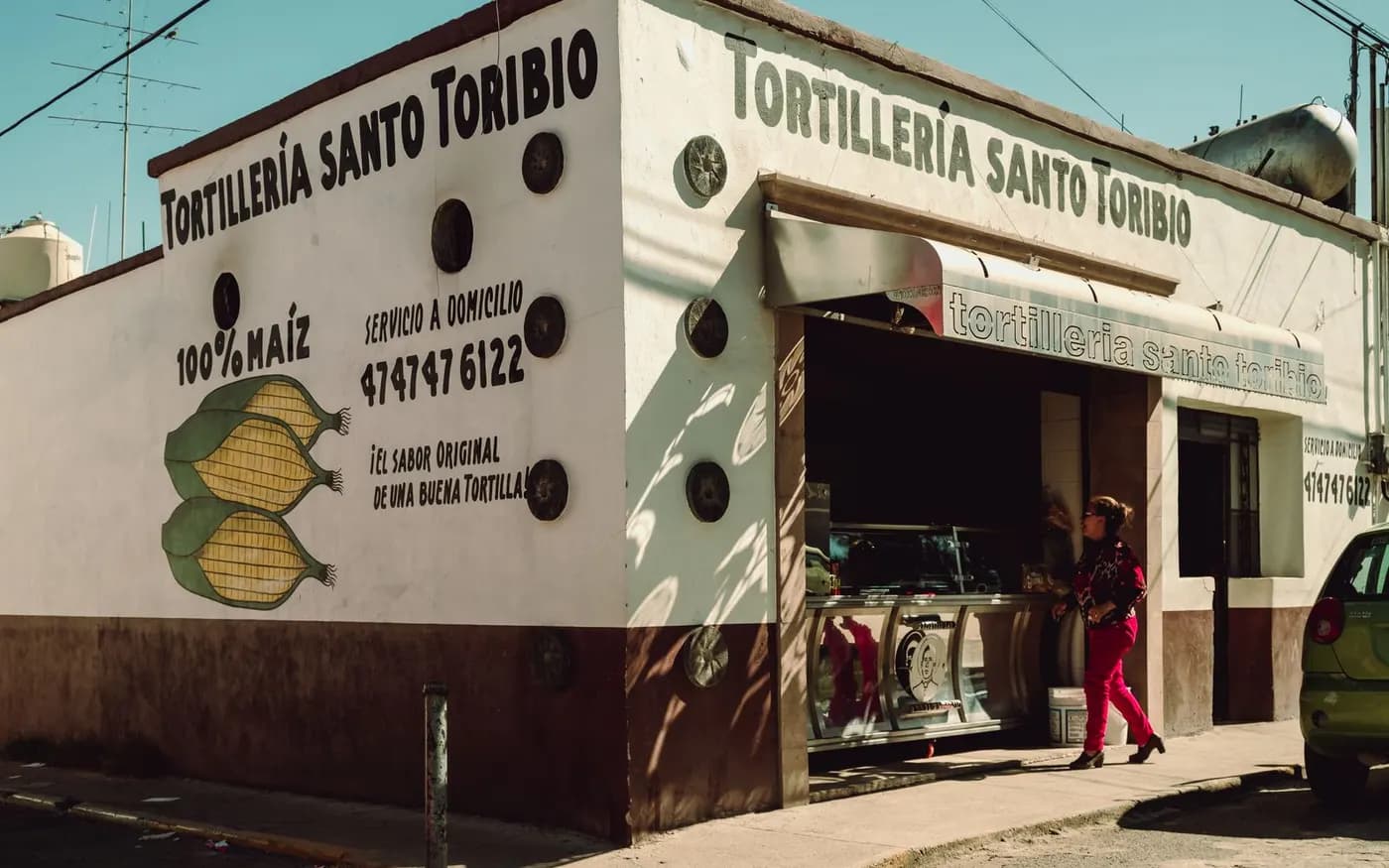
A chilango is someone from Mexico City, and the city has its own layer on top of everything above. ¿Qué transa? is what's up. Cámara is bye, see you. To chamaquear someone is to trick them, and if you look like a tourist, ponte buzo (stay sharp) or they will. Outside the capital, a pushy driver cutting across three lanes is doing a chilangada.
Mexico City is also home to the albur, the double-meaning duel where every sentence is a trap. That one is in the swearing section, because once you know, you can't unhear it.
Up north, in Guadalajara and in Yucatán
Mexico is huge, and slang changes every few hundred kilometres. A few you will hear outside the capital:
- Sonora and Sinaloa: chilo is cool and sarra is lame. Kids are plebes or buquis. Bichi is naked. Arre means let's do it.
- Monterrey: kids are huercos, and people from there are regios.
- Guadalajara: ocupo means I need (ocupo cien lonches), ira is look, and the crusty roll in a torta ahogada is a birote, never a bolillo.
- Yucatán: Maya words sit inside the Spanish. Huach is an outsider, someone not from there. La hach is the last drink.
The regional words come from Mexican regional press more than from forums, so take them as a starting point and let locals correct you. They will enjoy it.
Chicano slang, across the border
Mexican-Americans built their own slang, caló, from barrio Spanish, old Mexico City street talk and English. Ese, vato, órale, a pickup is a troca, lunch is lonche. A Mexican who mixes in English is a pocho, which some Chicanos say proudly and some Mexicans say as a jab. Old rhymes like al rato, vato (later, dude) and nel, pastel (no way) sound retro now.
Gen Z slang in Mexico
Young Mexicans invent words faster than anyone can write them down, so UNAM published a Gen Z dictionary in May 2026. Some favourites: amix (friends, gender neutral), es de chill (relax), y la queso (and that's that), mejor nadota (thanks for nothing), a migajero who settles for crumbs of attention, chapulinear (dating a friend's ex, fast) and the señoro, the condescending older man. The same dictionary admits that one of its own words, potaxie, is already out of use. Slang moves faster than dictionaries.
Mexican curse words and insults
This is the part people search for, so here it is, uncensored: 39 swear words in the table alone, plus the insults and slurs. You need to understand them because you will hear them all day, in traffic, at football, in every group of friends. Whether you say them is another matter.
Almost all Mexican swearing grows from a handful of roots. Learn the roots and you can decode the rest.
Chingar: the root of half of it
Chingar means to screw with, to annoy, to ruin, and in its oldest sense, to violate. Octavio Paz gave it a whole chapter of El laberinto de la soledad in 1950, calling it the Mexican verb of humiliation. Whether his history is right is disputed. That the word is everywhere is not:
- No chingues: no way, don't mess with me. A notch coarser than no mames.
- Chingón: badass, excellent. Mi tía es bien chingona is a compliment.
- Un chingo: a ton. En chinga: in a rush. Both so common people barely hear them.
- ¿Qué chingados?: what the fuck. Una chingadera: a dirty trick, or a piece of junk.
- A la chingada: to hell. Me lleva la chingada: I'm screwed, said to yourself after missing the last bus.
- Vete a la chingada: fuck off. Said to a person, it ends things.
Madre: the heaviest word and the most common one
Mothers are sacred in Mexico, which is exactly why madre does so much damage. Padre is cool. Madre is dynamite. A toda madre is awesome and qué poca madre is how shameless. Me vale madre is I don't give a damn, ni madres is hell no, a madrazo is a hard hit and a desmadre is a glorious mess.
Then there is the mentada de madre: chinga tu madre, said to someone, about their mother. It is the worst thing you can say in Mexican Spanish, usually with a gesture, and a Milenio columnist argues it works as a release valve, a substitute for throwing the punch. Hear it in traffic. Never say it.
Pinche: damn, before every noun
Pinche on its own is a kitchen assistant, an honest job. In front of a noun it turns into damn or fucking: este pinche tráfico. It is so common that a Mexican on WordReference says he uses it with his boss, while another calls it a word for uneducated people. Somewhere between damn and fucking is fair. With friends, nobody blinks.
Cabrón: friend, genius or bastard
Cabrón is a billy goat, historically a man whose wife cheats. Today it has the widest range of any word in Mexico:
| How it is said | Example | What it means |
|---|---|---|
| To a close friend, smiling | ¡Qué gusto verte, cabrón! | Great to see you, man. |
| About someone skilled | Es un cabrón para las matemáticas. | He's a beast at math. |
| About something hard | Estuvo cabrón el examen. | The exam was brutal. |
| To a stranger, not smiling | ¿Qué me ves, cabrón? | What are you looking at, asshole? A fight is next. |
A WordReference thread sums it up: the meaning is on the speaker's face. If you can't read the face, don't use the word.
Pendejo: idiot
Literally a pubic hair, which Mexicans almost never think about. In practice: idiot, dumbass. Bump into a table and say qué pendejo about yourself and nobody cares. Say no seas pendejo to a friend and it is a tease. Say it to a stranger or a parent and you have insulted them. Hacerse pendejo is to play dumb, and you will hear it about politicians a lot.
Verga: the newest favourite
Verga is a dick, and in old naval Spanish a sail yard, which is no help at all. Young men turned a la verga into an all-purpose exclamation: holy shit, get lost, screw it. It is common enough that the Real Academia Española answered a question about it in 2020. Me vale verga is one step ruder than me vale madre, and de la verga means awful.
Pedo: a fart that does everything
Pedo is a fart and the most flexible coarse word in the country. No hay pedo is no problem. Ni pedo is oh well. Ni de pedo is no way, not even drunk. Estar pedo is being drunk, and ¿cuál es tu pedo? is what's your problem. Bájale a tu pedo is calm down. A Mexican commenter on one expat blog says the vast majority of pedo is harmless, and he is right, as long as you know which one you are saying.
Huevo and mamar: eggs and sucking
Huevos are eggs and also balls, so ask for blanquillos at the market if you want to be careful. ¡A huevo! is hell yes. A huevón is a lazy bum, qué hueva is what a drag, and échale huevos is give it everything. From mamar, to suck, come no mames, a mamón (stuck-up show-off), qué mamada (what bullshit) and mamado (jacked, gym body). The sponge cake called mamón is innocent.
The insult ladder, from menso to hijo de la chingada
From the softest, which a parent might say to a kid, to the ones that end a friendship:
- Menso, tonto: dummy, silly. Safe.
- Baboso: drooling fool. Tarado: moron.
- Güey as an insult, not as dude: idiot.
- Idiota, estúpido: an expat blogger in Mexico writes that idiota lands about as hard as asshole in English. Heavier than you would think.
- Pendejo, mamón, huevón.
- Cabrón said cold, culero (asshole, coward), ojete (a mean, two-faced person).
- Hijo de puta and the Mexican one, hijo de la chingada, which Paz built his chapter around. Top of the ladder, next to the mentada.
Slurs you will hear and should never say
Homophobic. Puto is the big one, and it is also used to mean coward. It is the word in the stadium chant ¡eeeh, puto! shouted at the rival goalkeeper. FIFA fined Mexico 30,000 Swiss francs for it in October 2016, and the sanctions kept coming. Many fans insist it just means coward. Writer Juan Villoro called it clearly homophobic, and gay Mexicans quoted by El Universal say it still hurts. Joto, maricón and puñal are slurs too. In 2013 Mexico's Supreme Court ruled that calling someone maricón or puñal is homophobic speech, even as a joke.
Racist and classist. Naco means tacky or low class, and its root is an Indigenous people. No seas indio, don't be an Indian, means don't be ignorant, and it is racist. Gato and chacha are put-downs for domestic workers. A second meaning of chale is a slur for a Chinese person. Prieto, dark-skinned, is the tricky one: mi prietita from a grandmother is love, and the same word as a joke about someone is racist.
Sexist. Puta, zorra and perra aimed at a woman are as rude as it gets. ¡Puta madre! as an exclamation is coarse but not aimed at anyone. And mamacita shouted from a car is street harassment, not a compliment.
Albures: the game where every sentence is a trap
An albur is a double meaning, almost always sexual, traded back and forth until someone has no comeback. It is a sport in working-class Mexico City, Tepito above all, and the winner is the one who leaves the other speechless. A linguist quoted by Chilango points out that a lot of albures are sexist, which is true. They are also very funny when you finally get one.
- ¿Te gusta el chile? Do you like chili? The classic trap for foreigners. Chile is the other thing. Whatever you answer, you lose.
- Dame la hora, give me the time, sounds like dámela ahora, give it to me now.
- ¿Dónde está la parada? Where is the bus stop? Parada also means standing up. You can guess.
Words that mean something else in Mexico
A few more that change meaning, some rude and some just confusing:
- Panocha is a cone of brown sugar at the market, and also a vulgar word for vagina.
- Pito is a whistle and a dick. Me importa un pito is I couldn't care less.
- Culo is ass, and also fear: me dio culo, I got scared. Chichis are tits. Nalgas, butt, is barely rude at all.
- Camión is a bus, not only a truck. Alberca is a pool, pluma is a pen, platicar is to chat and banqueta is the sidewalk.
- From Nahuatl: popote (straw), tianguis (street market), itacate (food to take home) and apapachar, to hug someone with your whole heart, the best word on this page.
Güey comes from the Nahuatl word huēyi, great.
Gringo comes from soldiers being told green go home.
No mames is harmless, everybody says it.
Ahorita means right now.
How to swear in front of grandma: the clean versions
Mexicans have a soft version of almost every swear word, and these are the ones a visitor can use freely:
- No manches instead of no mames. No friegues instead of no chingues.
- ¡Chin! is chingar cut off before it gets rude: darn.
- ¡Chale!, ¡híjole!, ¡ah, caray! and ¡en la torre! cover aw man, yikes and oh no.
- ¡Chanfle! is pure television nostalgia, and padrísimo does everything a toda madre does.
Would you survive a Mexican taco stand?
1 / 5
The taquero says ahorita se lo doy. What does he mean?
Want the Spanish behind the slang? My ranking of the best apps to learn Spanish covers the ten I paid for, and the Lingopie review is about learning from real shows, which is where slang like this lives.
Sources
- Diccionario del español de México, El Colegio de México, for meanings and its coarse and offensive labels.
- Diccionario de la generación Z, Revista de la Universidad de México, May 2026
- SpanishDict: what does ahorita mean to you? and Xataka on ahorita, quoting BBC Mundo
- UnoTV on güey and the Academia Mexicana de la Lengua and Milenio on the origin of wey
- MexConnect: the expression no mames, with comments from Mexicans
- Mexico News Daily on pedo
- Milenio: el día de la mentada de madre; Octavio Paz, "Los hijos de la Malinche", El laberinto de la soledad (1950).
- Attitude on the FIFA fines over the stadium chant and the 2013 Supreme Court ruling
- BBC Mundo: everyday phrases Mexicans do not realise are racist
- Albur, Wikipedia and Chilango on the rules of the albur
- Regional words: Matador on Sonoran Spanish, Azteca Jalisco's tapatío dictionary, Por Esto on Maya words in Yucatán.